Dr. Marion Nestle is one of my all-time favourite people in the world of nutrition. It was such a pleasure and honour to interview her today. Here’s what she had to say about some of the leading issues in nutrition.

Dr. Marion Nestle is one of my all-time favourite people in the world of nutrition. It was such a pleasure and honour to interview her today. Here’s what she had to say about some of the leading issues in nutrition.
Every once and a while, someone serendipitously sits down beside you, and the conversation that emerges ends up being one you’ll never forget. That’s what happened when I met Dr. Benjamin Caballero today. Luckily, I had my camera on hand, and his inspiring words of wisdom are preserved in this vlog.
David Freedman delivered a thought provoking and inspiring talk on Monday. Here’s a brief glimpse of his thoughts…
After chatting with students in the “Emerging Leaders in Nutritional Sciences Poster Competition” at Experimental Biology 2015, here’s what I learned…
In this episode of my ASN vlog, I chatted with participants in the “Emerging Leaders in Nutritional Sciences” poster competition. Here’s what I learned…
In this episode we chatted with Dr. William Harris, a Professor of Medicine from the University of South Dakota. He told us about his thoughts on Omega 3 fatty acids.
I’m at the American Society for Nutrition’s Annual Meeting in Boston! For the next few days I’ll be posting video blogs from the conference.
…and higher blood serotonin levels are associated with enhanced mood. Get chewing!
I learned about this fact from:
Mohri Y, Fumoto M, Sato-Suzuki I, Umino M, Arita H. Prolonged rhythmic gum chewing suppresses nociceptive response via serotonergic descending inhibitory pathway in humans. Pain. 2005 Nov;118(1-2):35-42. Epub 2005 Oct 3.
Williams E, Stewart-Knox B, Helander A, McConville C, Bradbury I, Rowland I. Associations between whole-blood serotonin and subjective mood in healthy male volunteers. Biol Psychol. 2006 Feb;71(2):171-4. Epub 2005 May 31.
Or in laymen’s terms, consuming an acidic food/ingredient alongside carbohydrates will decrease the size of the resulting blood sugar spike in your bloodstream.
This is part of the reason why sourdough bread (which contains lactic acid, produced by the lactobacillus bacteria that are involved in the fermentation of sourdough bread) has a lower glycemic index, compared to regular bread.
The mechanism for how acid decreases blood sugar is uncertain. Some research has suggested that acid delays gastric emptying (the release of food from your stomach), while other studies have postulated that it may inactivate the amylase enzyme that breaks down carbohydrate.
Either way, this random food fact gives insight into the unique power that foods have when consumed in combination. So don’t hesitate to squeeze some lemon on those potatoes, it could do you some good!
I learned about this fact from:
Liljeberg HG and Björck IM. Delayed gastric emptying rate as a potential mechanism for lowered glycemia after eating sourdough bread: studies in humans and rats using test products with added organic acids or an organic salt. Am J Clin Nutr. 1996 Dec;64(6):886-93.
While we’ve traditionally viewed sugar as a risk factor for obesity and cavities, new research suggests that even in children, added sugars (sugars that are not naturally occurring in a food) are associated with increased blood pressure and increased triglycerides.
Thus, eating sugar can increase kids’ future risk for heart disease!
I learned about this fact from: Kell et al, 2014. Added sugars in the diet are positively associated with diastolic blood pressure and triglycerides in children. American Journal of Clincal Nutrition, 100(1):46-52. http://ajcn.nutrition.org/content/100/1/46.abstract
In the 1800s, clinical trials administering cod liver oil (a source of Vitamin D) to tuberculosis patients provided early evidence of its clinical benefit. In 1859, sanatoriums used heliotherapy (exposure to sunlight) as a means to increase tuberculosis patient’s vitamin D intakes. And in case you’re wondering, Vitamin D exerts its effect by binding to and modulating key members of the immune system including T cells, B cells, macrophages and dendritic cells.
I learned about this fact from:
AR Martineau. 2012. Old wine in new bottles: vitamin D in the treatment and prevention of tuberculosis. Proceedings of the Nutrition Society, 71, 84-89.http://journals.cambridge.org/download.php?file=%2FPNS%2FPNS71_01%2FS0029665111003326a.pdf&code=09e65cdc6b159acb91f4e05f6aebbcf2
J Rodrigo Mora, M Iwata, U von Andrian. 2008. Vitamin effects on the immune system: vitamins A and D take center stage. Nat Rev Immunol, 8(9)685-698. http://www.ncbi.nlm.nih.gov/pmc/articles/PMC2906676/pdf/nihms185109.pdf
When I visited the Statue of Liberty a few weeks ago…

…I was surprised to see that the “Crown Cafe” (located on Liberty Island)…
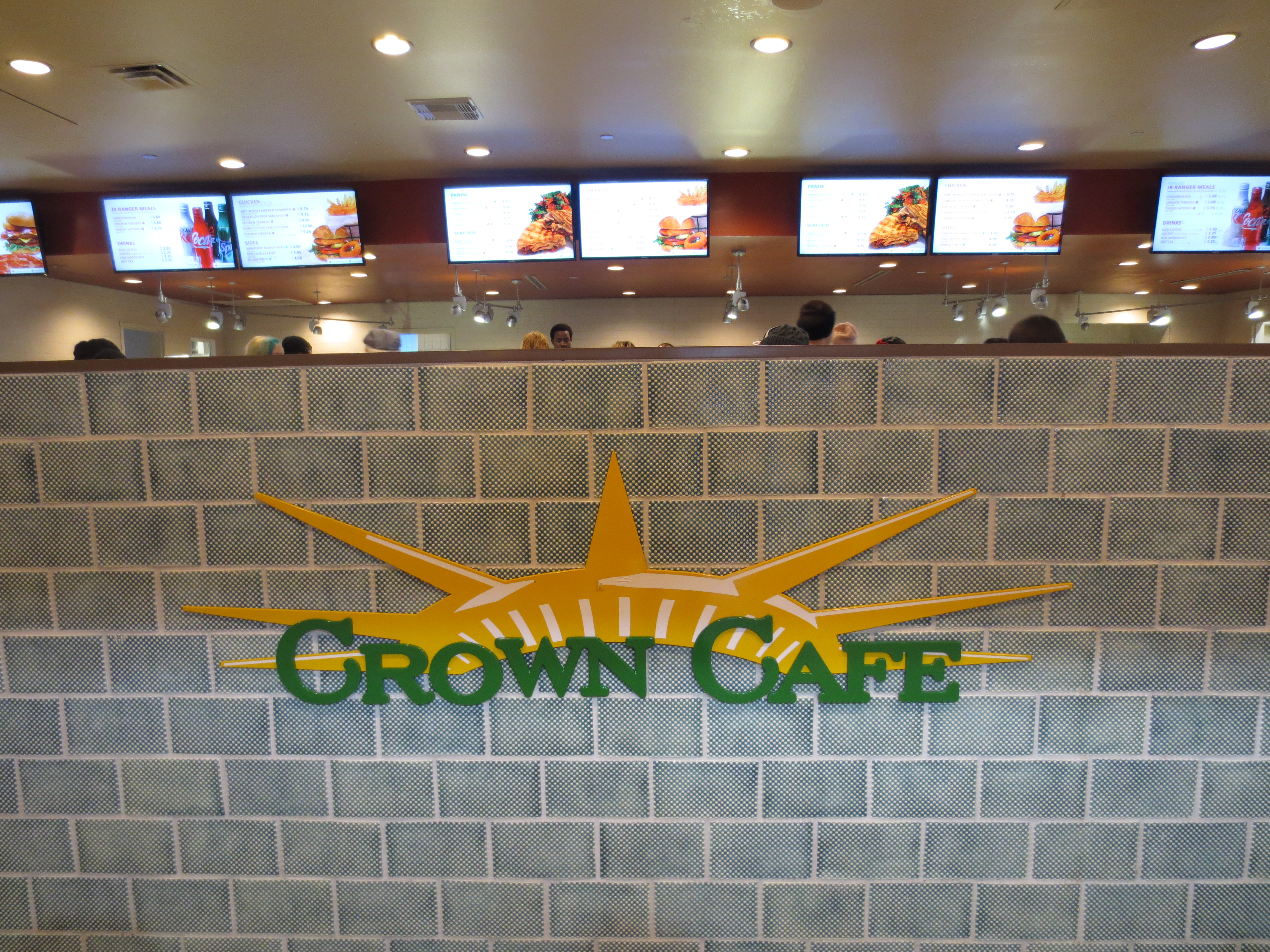
…not only included calorie information on their menu boards…
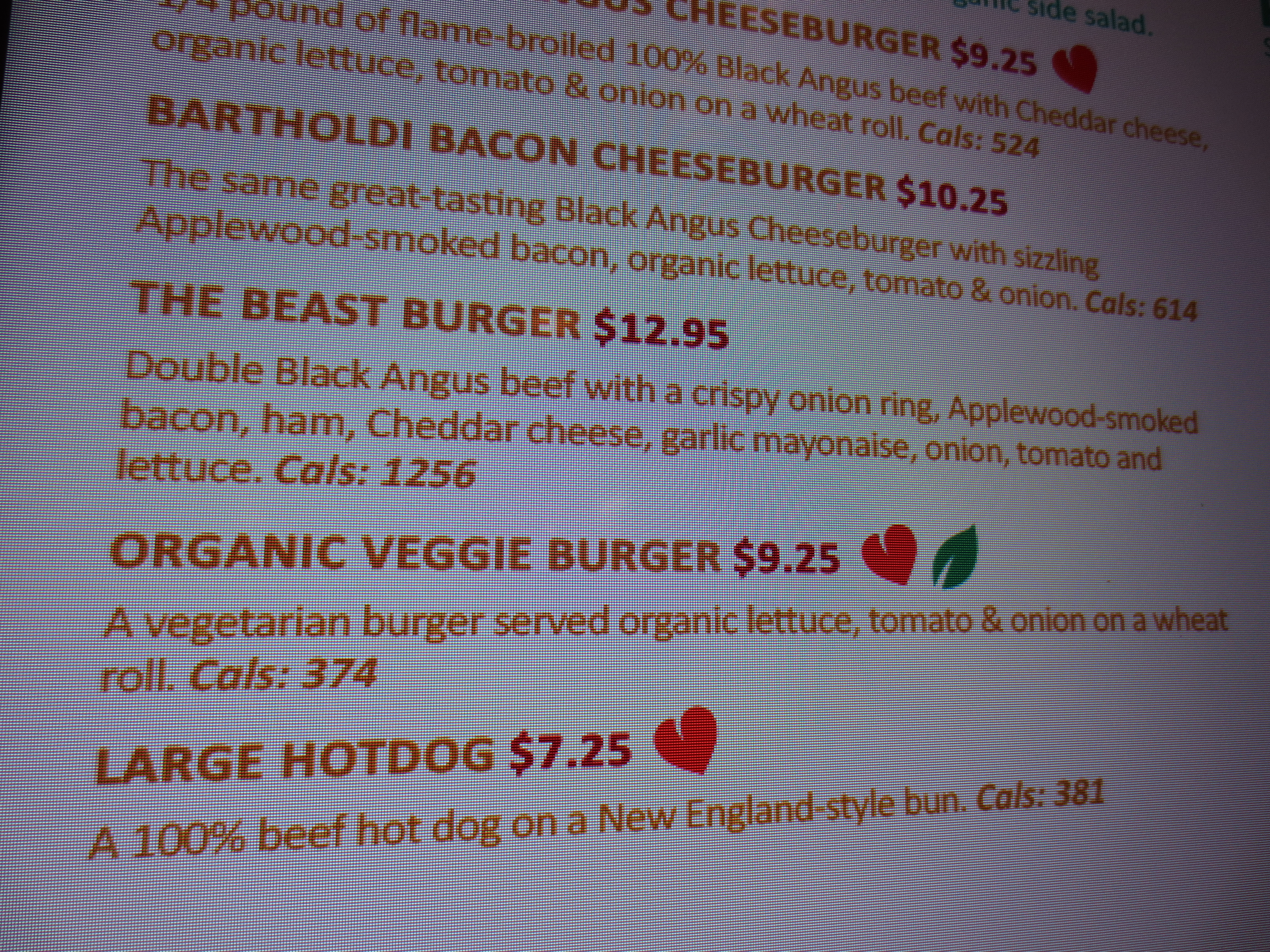
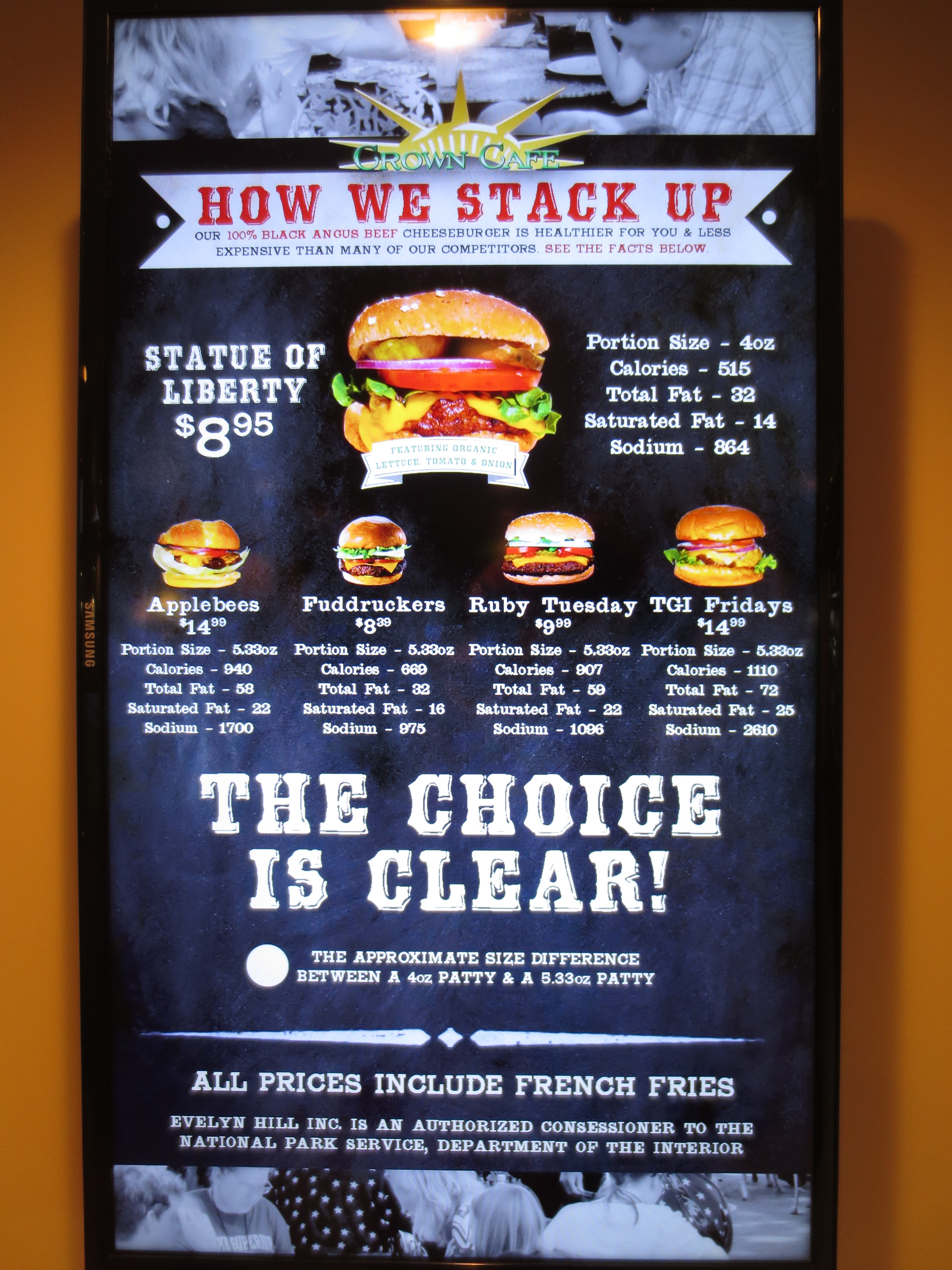
…but also gave a comparison of their burger in relation to other burgers…
…and even printed the total calories and total fat of each purchase on the receipt (note: I only purchased tea and coffee, so understandably the caloric total was remarkably low)…

But wait a minute, let’s return to that “burger comparison” for a moment, because it illustrates a concept that I’ve been trying to convince people of for years.
Notice how the the “Crown Burger” has only 515 calories and 816 mg of sodium—less than all other options. While these numbers suggest that the “Crown Burger” is the healthiest choice, I encourage you to take a closer look. “Crown Cafe” is providing its customers with a key piece of information that is essential for making a valid comparison…

That piece of information is portion size. While the other four burgers are 5.33 oz, the “Crown Burger” is only 4 oz. Hence, part of the reason why it’s lower in calories and sodium is because it’s smaller.
In fact, when you look at the nutrient density (a standardized measure of nutrient content per standardized amount), the “Crown Burger” actually has a higher calorie density and a higher sodium density when compared to the “Fudruckers Burger”.
Here’s how the math works out:
CROWN BURGER (4 oz) – $8.95
515 calories –> 515/4 = 128.75 calories per oz
864 mg of sodium –> 864/4 = 216 mg of sodium per oz
FUDRUCKERS BURGER (5.33 oz) – $8.39
669 calories –> 669/5.33 = 125.5 calories per oz
975 mg of sodium –> 182.9 calories per oz
Considering this, the “Crown Burger” is not the best choice. By choosing the “Fudruckers Burger” you get more food, with a lower calorie and sodium density, for less money. Sure, the “Crown Burger” contains less calories overall, but whose to say you won’t get hungrier sooner and make up for those extra calories with a snack later on?
I’ve been concerned about the effect that portion size has on confusing caloric comparisons since I first began doing menu-labelling research a few years ago. Current policies that only require the labelling of calories can be deceiving if similar food options are different sizes. As a matter of fact, I was so concerned about this issue, I even did research to investigate whether including portion size information on menus would help consumers select meals with a lower calorie density. However, my research showed that including portion size information had no effect. So at this point, I’m not quite sure how to address this “niche menu-labelling” issue. Any ideas?
Long story short, I was encouraged to see that “Crown Cafe” is leading the pack by providing nutrition information to help consumers make an informed choice. If only all restaurants could do this!
This is a truly random food fact I was delighted to learn when I came across the following statue at the Gardiner Museum in Toronto:

Pulcinella with Gnocchi – Austria, Vienna, State Factory, c. 1744-1750, Hard-paste porcelain, Modeller: unknown
Pulcinella is from the Commedia dell’arte and is a stock character in Neapolitan puppetry. While stock characters are known for having defining characteristics, I’ve never come across one who is defined by the fact that he carries around macaroni and a wooden spoon…at least until now that is.
I have to admit, gnocchi is one of my all-time favourite foods, it’s my go-to Italian restaurant favourite, I guess you could say I felt a special connection to Pulcinella, hence today’s post.

Gnocchi from “Como” one of my favourite Italian Restaurants in Niagara Falls, New York
I learned about this fact from the Gardiner Museum in Toronto.
In 1883 Milton Hershey (whose chocolate you probably know and love) was an apprentice to John Huyler (someone whom I’m guessing you’ve never heard of).
The story of how the apprentice (Hershey) beat the master (Huyler), is one I couldn’t resist sharing because it is a perfect example of the struggle between quality and quantity…a struggle that permeates all aspects of life, but is perhaps never more salient then when discussing food.
At the turn of the century, Huyler’s Chocolates was extremely successful and had fifty-one stores and soda fountains across the East Coast. It’s believed that the key to John Huyler’s success was his deep sense of ethics. He insisted on producing the finest quality candy—he used only the purest ingredients, he (and his sons) sampled every batch, and he never mass-produced his product—as a result, he kept portions small to maximize quality.

So why has everyone heard of Hershey, yet no one has heard of Huyler?
That’s because two years after his apprenticeship (in 1885), Hershey left Huyler’s Chocolates to establish his own factory. However, he unfortunately did not maintain the same devotion to quality and opted to mass produce his chocolate using additives, preservatives, and substitute ingredients.
The Huyler family refused to compromise on quality and eventually sold their business. Sadly, when the new owners resorted to mass production and compromised standards, the popularity of Huyler’s chocolates diminished rapidly.
This simple story illustrates one of the great challenges in the field of nutrition. In our quest for quantity, we are constantly compromising the quality of the food we eat. In doing so, we allow ourselves to consume a lesser product, the copious consumption of which only gives the illusion that we are well-nourished.
I learned about this fact from an exhibit in the MinGei Museum in Balboa Park, San Diego
It is believed that part of John Huyler’s success can be attributed to the fact that he was a master marketer.
In the 1870s he invented the concept of pulling saltwater taffy in his window to draw customers in.
Additionally, he was the first person to blow the mouthwatering scent of his candy out onto the street using a reversed fan. I’m certain we can all relate to what a genius idea this was…remember the last time you walked by a Cinnabon?…I think you know what I’m talking about.
I learned about this fact from: The MinGei Museum, Balboa Park, San Diego
In 1909 John Huyler—the candy-man behind one of the largest confectionery companies at the turn of the century—created postcards that featured intriguing facts juxtaposed with well-known landmarks, as a means to educate his customers about the pure ingredients used in his chocolates.

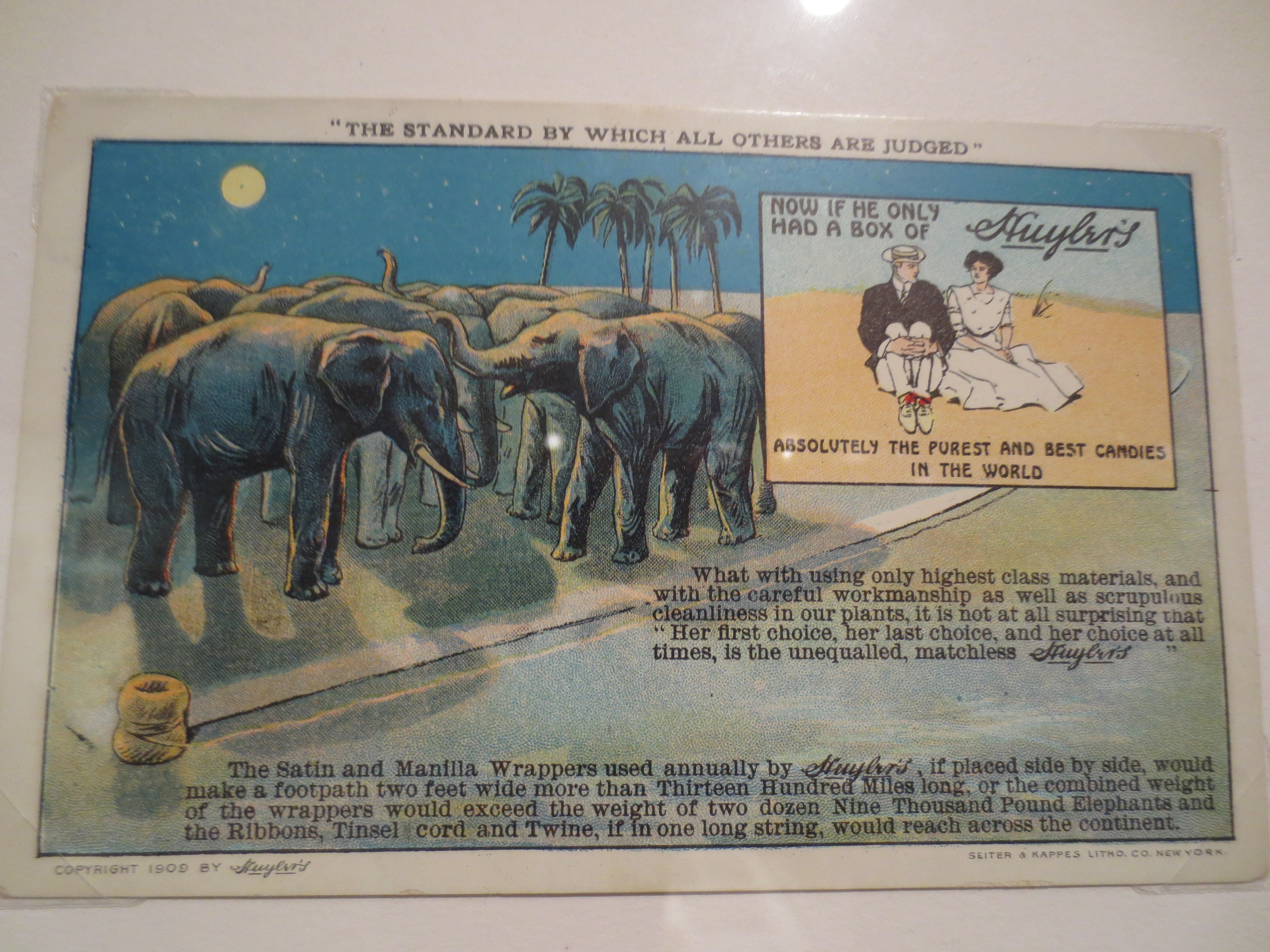


I learned about this fact from the MinGei Museum located in San Diego’s Balboa Park. “MinGei” literally means “everyone’s art” and is a concept created by Japanese philosopher Soetsu Yangai to celebrate the beauty in everyday utilitarian objects made by unnamed artists. The images seen on product packaging or in product advertising are often works of art that exemplify “MinGei”. Thus, fittingly there was a special exhibit in Spring 2014 showcasing the artwork associated with Huyler’s Chocolates over a century ago.
Because Huyler was such an interesting fellow, this will be the first of a set of three “Huyler” themed posts. Stayed tuned!
“Christmas in Little Italy”, the largest year-round Christmas store in New York City…

…has an amazing collection of “food-themed” Christmas trees…

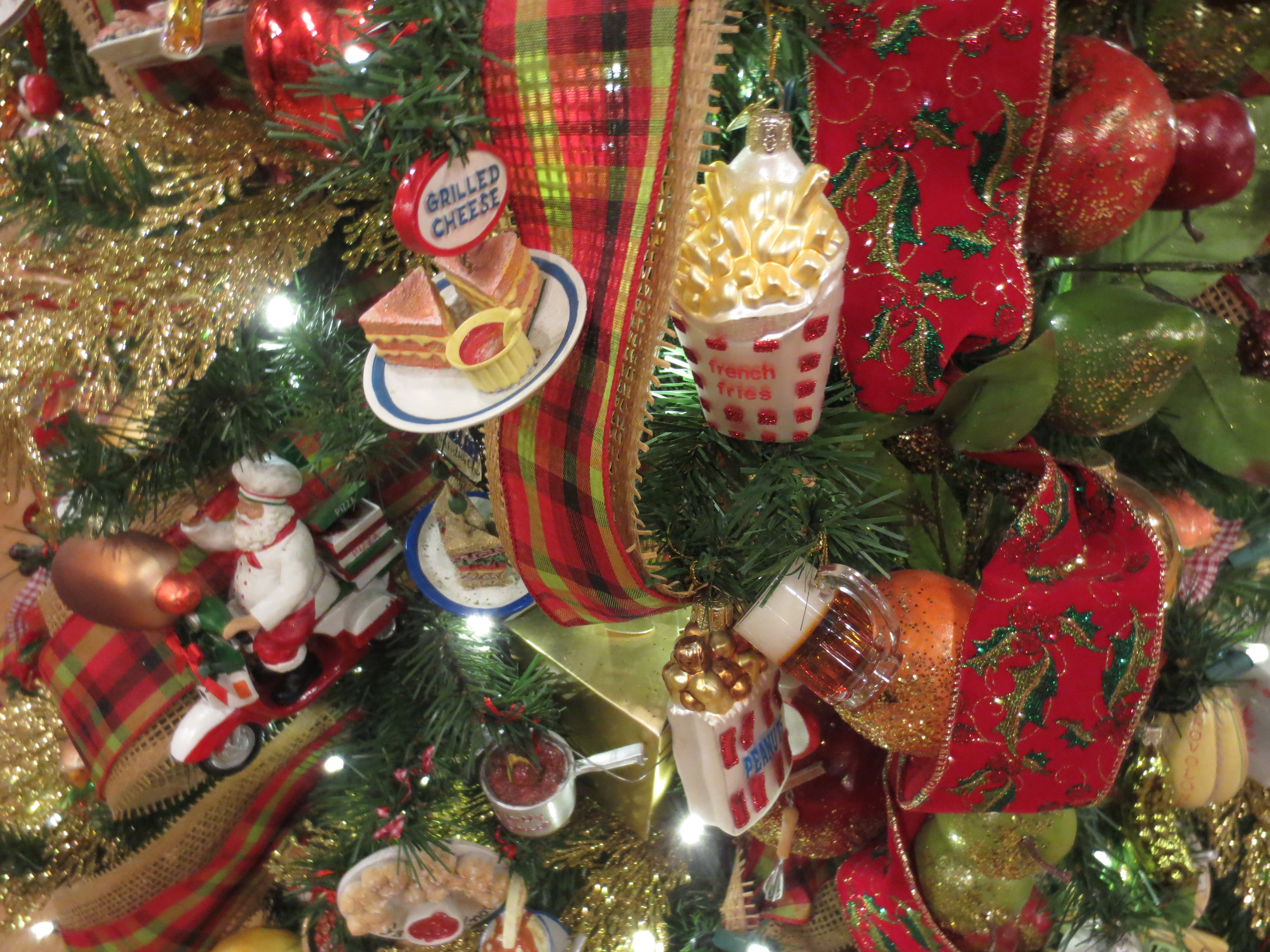



Since I’ve been absent from the blogosphere for a while, I figured I’d ease my way back in with a “photo-focused” and appropriately festive post.
Every once and a while you stumble across something really interesting on the internet, the Washington Banana Museum—an online museum dedicated to anything and everything related to bananas—is one of those things.
The virtual museum (www.bananamuseum.com) provides a visual history of the banana and includes numerous items including banana themed postcards, buttons, sheet music, stamps, photographs and even a banana cello.
The museum was created by Ann Mitchell Lovell who said that even as a baby she was crazy for bananas. Thus, she said that after growing up as “Ana Banana” with a love for the taste of bananas, it was inevitable that if she was going to collect something, it had to be bananas.
Lovell’s collection of banana memorabilia officially started in the 1980s with a t-shirt she picked up from a bar in Hawaii called “Anna Bannanas.” Since then she has collected more than 6000 items from antique stores, thrift stores, yard sales, and of course eBay. She said some of her favourite items in the museum are old photographs of people eating bananas in the late 1800s and early 1900s, and commented, “I love seeing a window into the past and imaging the people posing in their very elaborate clothing holding a peeled banana in a studio setting. At one time it was a sort of status symbol to have a banana.”


She is also very fond of the bakelite Josephine Baker necklace…

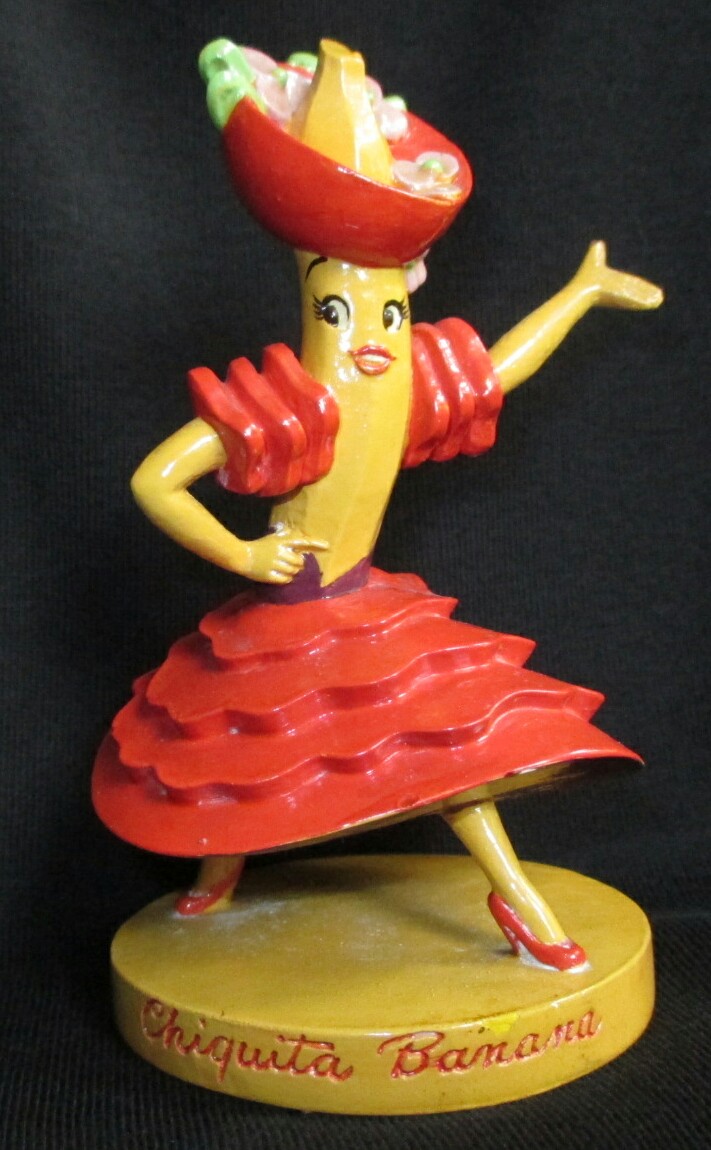
…and the miniature Sebastian figure of Chiquita Banana.
Personally, my favourite item is the Banana tokens which were issued by Elders and Fyffes (banana importers, who also operated passenger carrying banana boats) as part of a promotional campaign in England.


And if the virtual museum leaves you wanting more, Lovell also has an actual museum in Auburn, Washington where the items are on display at 120 E. Main St., Tuesday-Thursday 10:00am-1:00pm, Friday 10:00am-3:00pm and Saturday 10:00am-3:00pm.

—Special thanks for Ann Mitchell Lovell for the interview and for sharing these photos courtesy of the Banana Museum.
A new gastronome is someone who seeks to know everything about what he/she eats: its provenance, the process it has undergone, and the people who have been involved. According to Carlo Petrini—the founder of the Slow Food Movement—we must all strive to be new gastronomes, because if we “make the right decisions about food (we) can change the world.”
Thus, as an aspiring new gastronome, I’m concerned about the origin of my food and its processing. However, I’m a city-dweller, and therefore, I don’t have direct contact with the farmers who create my food. This is a problem because Petrini specifically says that you cannot become a new gastronome by simply reading books, he says you must actually talk to farmers.
So here I am thinking…I haven’t been to a farmer’s market all summer…how can I prevent myself from being a poseur? Then it hit me, despite the ever growing distance between food producers and food consumers, there is a place where rural food producers are brought right to the doorstep of urban food consumers…and that place is…the Canadian National Exhibition (aka the CNE, or the Ex).

For readers who may not be familiar, the CNE is a 136 year old fair that takes place annually in Toronto.

It has rides, games, food, exhibits, performances and in keeping with its agricultural roots, a Farm Building.

The Farm Building is a place where you can talk to farmers, learn about agriculture and see livestock.

In many ways, the Farm Building does exactly what Carlo Petrini says we need to do; it connects food consumers and food producers. In an era filled with diet-related diseases, and children who think food grows on grocery stores shelves, this is incredibly important. Therefore, while some may criticize the fair for being anachronistic, I would argue that the CNE, particularly its agricultural legacy, is as relevant today as it was 100 years ago, albeit for slightly different reasons.
As a nutritionist, who is *slightly* obsessed with the CNE, people always ask me, “how does the CNE’s deep fried butter fit with your healthy eating philosophy?” And the truth is, it doesn’t, but there’s way more to the CNE than just the food; a trip to the CNE is an opportunity to get a gastronomic education, the kind you don’t get in school and can’t learn from books. And I’m not saying you shouldn’t indulge in their unique food offerings. As I always say, there’s a time and a place to treat yourself, and the CNE is a good time and place. So what are you waiting for? Let’s go to the Ex!
Trompe l’oeil–which refers to something that misleads or deceives the senses–was originally an artistic concept…

Photo source: http://www.trompe-l-oeil-art.com/trompe.html
…before surfacing in the culinary world.
I learned about trompe l’oeil many years ago from a documentary about “the art of culinary deception” which highlighted the work of Michele Richard. Richard is a chef who specializes in trompe l’oeil by creating meals such as steak tartar with tomatoes, or caviar with couscous and squid ink.
As a result of Richard’s culinary genius and passion, I never forgot about tromp l’oeil. And today (6 years after watching the documentary), I created my own tromp l’oeil…
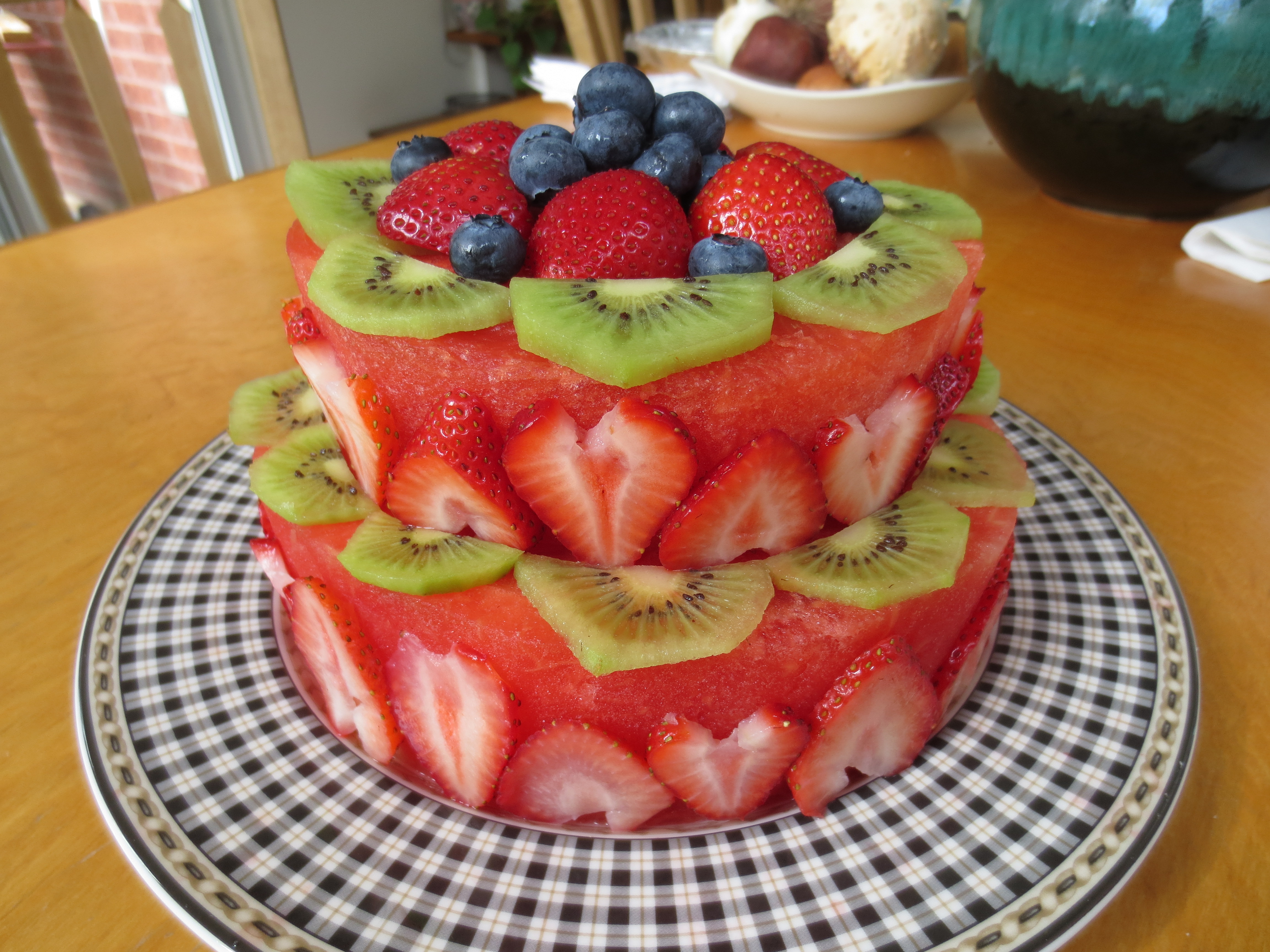
It’s a fruit cake, literally! The entire thing is made of fruit, but you might not realize it at first glance!

On my almost annual family trips to Florida, a visit to the local used bookstore has become a tradition.

On my latest trip I found quite a treasure…an original copy of Linus Pauling’s Vitamin C and the Common Cold.

Today, the scientific consensus is that vitamin C does not reduce the incidence of the common cold, but rather, will only reduce the severity and duration. However, considering the lack of agreement among studies in combination with yesterday’s post, this may be yet another example of confusion arising from trials on genetically heterogeneous populations. Who knows…only future research will tell. And until then, eat your citrus, because when it comes to fruit, you can’t go wrong!!
I learned about this fact from:
Pauling, Linus. Vitamin C and the Common Cold. W.H. Freeman and Company; San Francisco: 1970.
Douglas RM, Hemilä H, Chalker E, Treacy B. Vitamin C for preventing and treating the common cold. Cochrane Database Syst Rev. 2007 Jul 18;(3):CD000980.
Nutrigenomics—the science that combines nutrition and genetics—is revolutionizing the traditional “one size fits all” approach to nutrition recommendations. Scientists are now discovering the gene variants that cause people to respond differently to the same nutrient. A closer look at omega 3 and 6 fatty acids offers a unique view of how nutrition, in combination with genes, dictates health.
By now, everyone has heard that omega 3s are good for your brain. However, omega 3 is a generic name for a family of fats. Docosahexaenoic acid (DHA), a specific type of omega 3 found in fish, krill and algae, is what your brain is made from. While humans have the ability to convert the type of omega 3 in walnuts and seeds into DHA, new research has shown that the degree to which these omega 3s are converted is dictated by your genes.
The scientist behind this discovery is Dr. Floyd Chilton, a full professor of Physiology and Pharmacology at Wake Forest University in North Carolina. In his research, Dr. Chilton has shown that 83% of African Americans are high converters (meaning they can readily convert ALA to DHA), in contrast to only 42% of European Americans. This makes perfect sense when you consider the geography of these regions. In the landlocked countries of Africa, people don’t have access to seafood, hence, they rely on nuts and seeds for their omega 3s. Meanwhile, Europeans don’t require the ability to convert DHA from these other sources, because they tend to get a rich supply from seafood. Biologically speaking, all of this works well, until people migrate and abandon their ancestral diets.
Presently in North America, “we almost have an omega 3 deficiency syndrome,” according to Dr. Chilton. Therefore, you’d think that it’s advantageous to be a high converter. Unfortunately, it’s not that simple. The ability to convert more omega 3s means you also have the ability to convert more omega 6s. This is problematic as Dr. Chilton explained “we have 40 years of studies showing that (omega 6s are) converted to a set of highly proinflammatory mediators… (and) their biochemistry suggests that they can impact inflammation in a potentially negative way.” Therefore, these genetic differences may partially contribute to disparities in health among different ethnic groups.
When asked about what led to this discovery, Dr. Chilton explained “one of the things that really got my attention is the inconsistency of the clinical trials, (this) led me to think that there must be something that we’re missing.” While some studies showed that omega 3s had great benefits, others showed no effect. Part of the reason for this is heterogeneity in the study populations, “when you mix everyone together, it becomes very difficult to make sense of it all.”
In conclusion, this story illustrates one of the great challenges in nutrition. Everyone is genetically different and thus, everyone’s ideal diet is different. As long as we continue conducting trials on genetically heterogeneous populations, it’s likely that we’ll continue seeing anomalies that create confusion and uncertainty. It’s the dawn of a new era in nutrition. Your optimal diet is likely a product of your genes, and while you may have not yet had yourself genotyped, your ethnicity may be a clue to guide you in the right direction.
Special thank you to Dr. Chilton for sharing his expertise. For more information on omega 3s and inflammation, please check out Dr. Chilton’s website www.genesmart.com which offers a wealth of resources.
Over the past few years, I’ve often used the scales in Publix and other grocery chains during trips to Florida.

On my most recent visit, I couldn’t stop thinking…why is this here? And after a quick call to Publix headquarters, I was delighted to learn the history of these scales…
In the 1930s people didn’t weigh themselves in their bathroom, the way we do today. As a matter of fact, the only way to weigh yourself was at the doctor’s office, or via public coin-operated scales.
However, a grocery entrepreneur named George Jenkins (affectionately known as Mr. George) wanted his customers to be able to weigh themselves for free. So, he put a free scale in all of his “Publix” grocery stores, and they’re still there today!
Although “grocery store scales” may seem like an artifact of a bygone era, when considering the obesity epidemic, their presence is as relevant today as it was 80 years ago. A statement found on a surviving scale from Paris says it all…
“He who often weighs himself knows himself well.
He who knows himself well lives well”
I learned about this fact from: Brian West, the Publix’s Media and Public Relations Manager; and Health Boosters from Withings “A Short History of the Weighting Scale” http://blog.withings.com/2011/09/30/a-short-history-of-the-weighing-scale-2/
Referred to as the “Official Food Rules”, the 1942 guide aimed to help Canadian maximize their nutrient intakes despite rationing.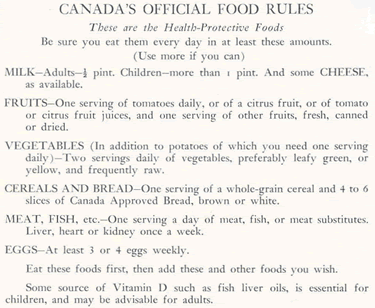
By 1944 minor changes were made…and they added pictures!

In 1949, advice to “avoid eating too much” was first seen…

In 1961 the “rules” became a “guide”…

For sentimental reasons the 1977 version happens to be my favourite…
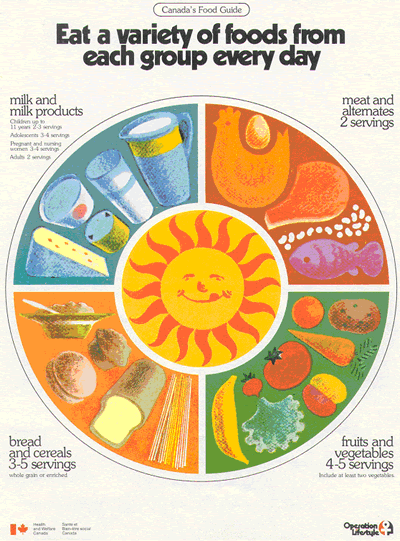
I first encountered this version of the guide at my Great-Great Aunt’s house when I was somewhere between 4-7 years old. Around the end of our visit, she pointed to each food group displayed in the guide on her fridge and said, “you’ve had some of this (bread), some of this (dairy) and some of this (meat)…now when you go home, make sure you have some of this (vegetables).” Upon hearing this, I distinctly remember thinking “Ya right! We don’t follow that!”…little did I know what my life would become!
I also have fond memories of the 1992 guide which hung on the fridge in my childhood home…
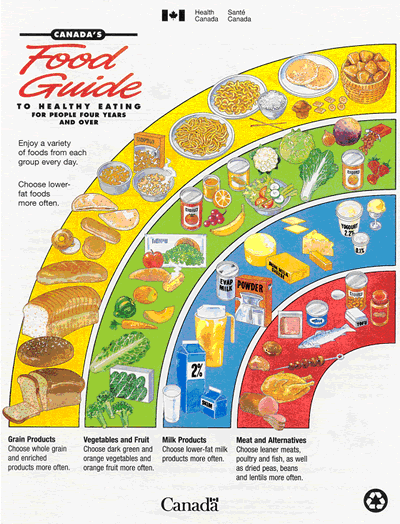
And today of course we have…

The important thing to remember about the food guide is that it’s far from perfect, it doesn’t represent an “ideal diet”, and its specifics are highly controversial. Nevertheless, it’s a starting point and if everyone followed its recommendation to consume 7-10 servings of fruit and vegetables each day, there wouldn’t be enough fruits and vegetables to go around, but in theory, we’d be much healthier!
I learned about this fact from: Health Canada. “Canada’s Food Guides from 1942 to 1992” 2007. http://www.hc-sc.gc.ca/fn-an/food-guide-aliment/context/fg_history-histoire_ga-eng.php
…after you’ve exercised excessively and have consequently sweated excessively.
The story behind today’s post began two weeks ago when I played tennis for three hours…drank a lot of water…went to sleep…and woke up at 4:00am with one of the worst headaches of my life!!!!
You see, normally your blood has a balance of sodium [Na] and water [H2O] (in addition to many other things, but for the sake of today’s post we’ll just focus on the sodium)…
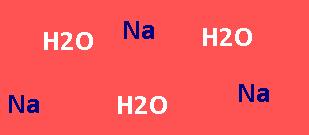
Note: Ratios are not to scale
But when you sweat, you lose both water and sodium…

And if, like me, you exclusively drink water post-exercise, your blood steam will look like this…

This condition is called hyponatremia (hypo=low, natremia=blood sodium). The consequences of hyponatremia include dizziness, headache, nausea, and oh…did I mention death! For years I suffered from hyponatremia after playing sports. No one could tell me why, and I never figured out the problem until I took Physiology 302.
Sports drinks are the obvious solution. Me of course, having made a personal pledge to never drink caloric beverages, fell victim to my own good intentions.
However, while replacing electrolytes (such as sodium) is part of the solution, electrolytes alone won’t completely solve the problem. That’s part of the reason why sports drinks don’t exclusively contain electrolytes. And while they probably contain more sugar than you really need, sugar is nevertheless an essential ingredient.
That’s because on its own, sodium can’t pass through the cells of your intestine and enter your bloodstream. It needs to be transported. And one of the transporters that accomplishes this task is a sodium-glucose transporter, which means it needs both glucose and sodium to operate. Therefore, post-exercise, carbohydrate is needed to assist in the absorption of sodium.

Note: This diagram is highly simplified
While consuming a sports drink will get the job done, sports drinks are not your only option, anything that contains carbohydrate and sodium should do the trick (ex. crackers, juice, a pickle, etc.).
In conclusion, it’s kind of funny how so much of my work is dedicated to preventing people from suffering from having too much sodium, meanwhile I somehow manage to let myself suffer from having too little!! So as I sit here typing this story, after having just played tennis for three hours…rest assured, I’m snacking on a tiny bit of pasta and vegetables, to which I added a dash of salt!
Here’s some photos to lend cred to my story…

Since it’s difficult to take a picture of yourself playing tennis, I opted for a shadow selfie.
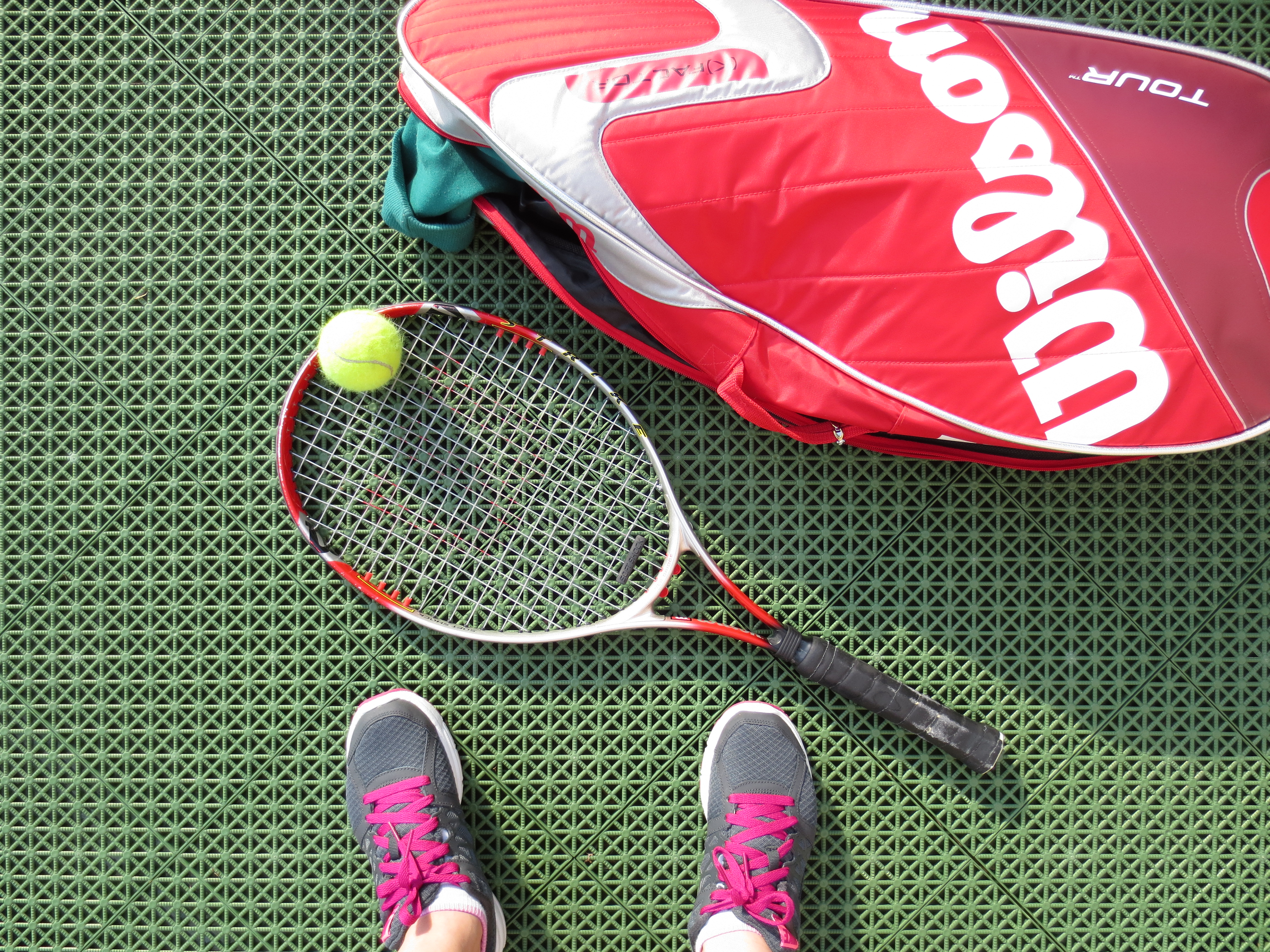
I love my pink laces!
–I learned about this fact from: Years of unpleasant experiences and my third year physiology professor Dr. French!
The unsuspecting boys were told that they were going to be part of a “Science Club.” Meanwhile, the parents were told that their children would be fed a diet high in nutrients, which technically was true, but of course they failed to mention that the nutrients were radioactively labelled!
In case you’re wondering, researchers radioactively labelled the nutrients to enable them to track their absorption in the body. One theory is that they wanted to ensure that the cereal didn’t decrease the absorption of calcium and iron in fortified milk.
Despite the fact that the children received a dose of radiation that is equivalent to 50 chest x-rays, the task force that investigated this in the 1990s concluded that “no significant health effects were incurred.” Nevertheless, some of the subjects were financially compensated due to the lack of informed consent.
Filling out ethics applications is a task that most scientists dread. Unfortunately, it’s something I’ve been doing for the past few days. Nevertheless, stories such as this remind one of the importance of transparency in research, and thus makes the task slightly less onerous.
I learned about this fact from: A “Cold Case Episode” oddly enough, and http://tech.mit.edu/V115/N49/radiation.49n.html and http://www.disclose.tv/forum/the-fernald-experiments-t76342.html
Over the last few weeks 25,000 people in Canada, the US and the UK took up the challenge to “Dine Below the Line” and raise money for anti-poverty organizations by eating on only $1.75 a day, for five consecutive days. The initiative is in its fourth year, and was born out of the belief that in order to really fight poverty, we need to try to truly understand it.
Personally, I had never heard of “Dine Below the Line” until two weeks ago, when I had the pleasure of attending a Bar Mitzvah at Holy Blossom Temple, and learned that several of the rabbis and community members were taking part. I was immediately intrigued, so for this extra special blog post, I interviewed Rabbi Jordan Helfman about his experience dining below the line.
Having spent time abroad in Thailand, China and Mexico, Rabbi Helfman had direct exposure to the interconnectedness of the food supply, the environment, human migration, and as he put it, “how all these things interplay with each other to affect the modern world we live in today.” Thus, his desire to raise awareness about these issues inspired him to “Dine Below the Line” and raise funds for Ve’ahavta, a Jewish-Canadian humanitarian and relief organization.
When it came to food selection, Rabbi Helfman consumed a diet consisting primarily of potatoes, rice and red lentils, which he bought in bulk and apportioned accordingly. He also had vegetables, canned mackerel and some displeasing tomato sauce, which he described as “a mistake” that consequently helped him see what a blessing it is to be able to afford a higher quality product. Finally, for a treat he budgeted three kiwis, one of which he ate after accompanying (and watching) some of the youth members of his synagogue eat frozen yogurt!
Much to my surprise, Rabbi Helfman said he wasn’t hungry during the experience. While he was told that he was a bit grumpier than usual, he said he didn’t feel too different.
At one point during the week, a passing ice cream truck caught the attention of his two year old son. As a result, he bought his son an ice cream for $2, which was more than his “below the line” food budget for the entire day! When reflecting on this experience, Rabbi Helfman explained how it gave him a glimpse of what it must be like for parents who can’t afford such treats, how this must upset their children, and the challenge of explaining something like this to a child. While he didn’t expect his son to finish the ice cream—and he debated whether his desire to stop him from finishing it stemmed more from his duty as a parent or his own desire for the leftovers—to his disappointment, his son ate the whole thing, leaving Rabbi Helfman with only his red lentil soup for dinner.
From a spiritual standpoint, the experience aligned nicely with some of Rabbi Helfman’s current work preparing for a study session where he was coincidentally assigned the topic of hunger in the Talmud. Rabbi Helfman explained that “when there is hunger in the world, it’s a terrible offense for someone to go back to their house and say, ‘it doesn’t affect me’ and have a huge luxurious meal.” He further explained that according to the Talmud, ignoring the plight of others separates you from the community.
Additionally, the Talmud teaches that fasting can be a form of protest, a way to “affect the world when there are things going on in (it) that you don’t like.” Furthermore, he explained that it’s as if one is saying, “I’m going to neglect myself in the hope that this will affect the world around me and gather attention so that things will get fixed.” In many ways, dining below the line aligns perfectly with these teachings.
Finally, in keeping with the rule against fasting on Shabbat (Saturday, the Jewish holy day), Rabbi Helfman planned his five consecutive days to end accordingly. And as a result, he explained how “it made Shabbat really more celebratory for me than it has been in a long time…(it) made me appreciate it a lot more, and made me think about my generations of ancestors that struggled to save for Shabbat.”
In today’s world, many of us who are privileged to have enough food to eat, consume food in excess, or simply take for granted the luxury that it is there. Sadly, the disproportionate distribution of food in our world is one of the great challenges of the 21st century…perhaps some answers can be found in the 1000 year old Talmudic teachings that still resonate today.
—Special thank you to Rabbi Jordan Helfman for graciously taking the time to share your experience and wisdom.
In the process of learning today’s—admittedly self-indulgent—post, I turned myself into a proverbial lab rat, got paid $50, and much to my surprise, learned an important lesson in research methodology.
Let me explain…
It all began a few months ago when my colleague, Dr. JoAnne Arcand, created the Salt Calculator, a simple online tool that allows anyone to quickly calculate their sodium intake (by the way, I encourage you to check it out: http://www.projectbiglife.ca).
Being a good scientist, Dr. Arcand set out to validate the accuracy of the calculator by comparing it to more traditional methods for measuring sodium intake including:
1) The self-explanatory 3-day food record, where people record all of the food they consume over a three day period,
and
2) The equally self-explanatory but substantially grosser, 24 hour urine collection. You heard me right, because excess sodium is excreted in urine, the best way to measure sodium intake is to collect your pee for 24 hours!
By now you can probably imagine how I fit into this story…being slightly sodium obsessed, I’ve been looking for an opportunity to get an accurate measure of how much sodium I consume. So naturally, I couldn’t resist…I enrolled myself in the study.
While collecting my urine for 24 hours was unpleasant, there was something else about the experience that I found even more displeasing…I was shocked by my own laziness when it came to the 3-day food record!!!!
You see, when I enrolled in the study, the delightful research assistant gave me a thorough schooling on the procedure that I was to adhere to. Those of you who know me, know that I’m the kind of person who typically follows instructions. Nevertheless, despite the fact that I’ve been teaching undergrads about the proper procedure for recording food intake for years, I found myself falling victim to the classic blunders: not recording my food as I ate it, not measuring my food, and worst of all, letting the fact that I’m supposed to record what I eat influence my food choices. Despite my utmost respect for the research process, I was a mildly non-compliant subject!
While I feel guilty and embarrassed, the purpose of today’s post is not for me to seek absolution from my readers, but rather, I’m telling this story because my experience was surprisingly educational. You see, it’s a well-accepted fact among nutritional scientists that our ability to measure food intake is bad. But despite the fact that I’ve long known this, it wasn’t until I became a participant on the other side of the research process that I deeply understood the degree to which our inability to accurately measure food intake undercuts nutrition research. How can we confidently link a disease outcome with diet if we can’t accurately measure what people are eating? As you can see, this realization has profoundly influenced my views on nutrition research.
When I enrolled in this study, I was mostly interested in learning about my own sodium intake. However, this is a classic example of how sometimes you set out learn one thing, and in the process you realize that the true lesson you’re meant to learn is something you couldn’t foresee and is perhaps something much more profound than what you expected.
If you’ve stuck with me for this unusually long post, there are two take-home messages:
1) For non-scientists…I hope that by sharing this story, I’ve shed light on one of the reasons why there is so much controversy surrounding nutrition. Research is hard to do. We as humans are imperfect, and thus in turn our research is imperfect, it’s that simple.
2) For scientists, particularly scientists-in-training…I hope that you will be inspired to turn yourselves into proverbial lab rats, you never know what you might learn when you put yourself on the other side of the lab bench.
–A special thank you to Dr. JoAnne Arcand, whose study inspired this post; Zhila Semnani-Azad, for many things, including sending me my results; and lastly the FLIP girls, for being great research coordinators!
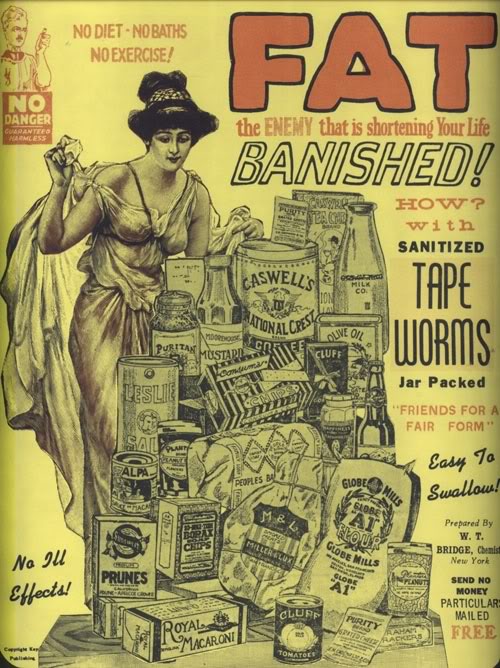
I learned about this fact from: C. Jou’s slideshow “The History of Weight-Reduction Advertising” on the New England Journal of Medicine’s website
Photo credit: http://www.roadswerenotbuiltforcars.com/advertising/
In North America we often take it for granted that we can just turn over a product and read its Nutrition Facts table.

Though people often hate on the Nutrition Facts table–accusing it of being confusing and archaic–it’s easy to forget how privileged we are to simply have that information available to us.
I learned about this fact from: Sampath, Janani. “Doctors Push for Sodium Levels on Food Labels” The Time of India, May 18th 2014. And thanks to Google alert, for alerting me to this fact!
Nikola Tesla is one of my favourite scientists. If you’re not already familiar with him, Tesla was the first person to harness the hydroelectric power of Niagara Falls. Furthermore, his inventions include the alternating current electrical supply system and the “Tesla coil”, both of which are still in use today. He worked for Thomas Edison, was friends with Mark Twain, and filed over 250 patents during his lifetime!
One of my favourite things about Tesla was his quirkiness. The most famous (and extreme) example of this is the fact that he fell in love with a pigeon! That being said, it’s no surprise that he believed in vegetarianism!
“It is certainly preferable to raise vegetables, and I think, therefore, that vegetarianism is a commendable departure from the established barbarous habit. That we can subsist on plant food and perform our work even to advantage is not a theory, but a well-demonstrated fact. Many races living almost exclusively on vegetables are of superior physique and strength. There is little doubt that some plant food, such as oatmeal, is more economical than meat, and superior to it in regard to both mechanical and mental performance. In view of these facts every effort should be made to stop the wanton and cruel slaughter of animals, which must be destructive to our morals.” –Nikola Tesla
Stayed tuned for another Tesla food fact tomorrow!
I learned about this fact from: Watching several documentaries about Tesla as well as good old Wikipedia.
Last Monday I visited the Walt Disney Family Museum in San Francisco, California. The museum was filled with countless amazing things (by the way, I highly recommend going if you have the chance), but there was one particular poster that caught my eye…

I just love old nutrition public service announcements, and this one from 1943 is one of my all-time favourites. After researching its history, I learned from an old Milwaukee newspaper that this was not the only public service poster Disney contributed to…
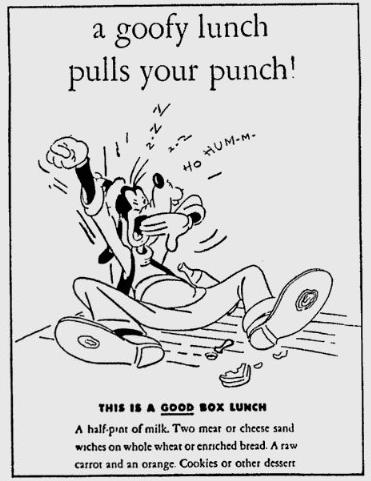

These posters were created by the California War Council with an aim to “educate the (California War) workers who are turning out stuff for our fighting men to the fact that the war will end sooner if they eat wisely and well”. They believed that you can get anyone to do anything if you can get them laughing, thus, the general public would be more responsive to their messaging if it was humorously put.
Overall, the caption at the end of the Milwaukee newspaper article said it best:
“California workers are not only getting a smile out of (these posters), but they are also learning something about the kind of meals that people should eat if they are going to make their best contribution to victory.”
I learned about this fact from: The Disney Family Museum; and The Milwaukee Sentinel, “Funny Pictures that are Full of Common Sense”, 1943.
I have to admit, I can’t take credit for this this list. I heard Dr. Mark Hyman mention that there are 257 different kinds of sugar on the Katie Couric show. After tracking down the reference, I learned that Jeremy Godwin of “Single Man’s Kitchen” https://www.facebook.com/notes/single-mans-kitchen/all-the-249-names-of-sugar-so-far-project/10150839799498198 is the genius behind this exhaustive list. Thanks Jeremy!
But unfortunately, orally ingested serotonin can’t cross the blood brain barrier. So despite the neuro-chemicals they possess, bananas cannot be prescribed as an anti-depressive therapy.
I learned about this fact from: Gharibzadeh et al, Depression and Fruit Treatment, J Neuropsychiatry Clin Neurosci. 2010;22(4).
…genes function only by being activated, or expressed, and nutrition plays a critical role in determining which genes, good and bad, are expressed.”
This quotation is from Dr. Colin T. Campbell
In 1942, sugar was rationed because the cargo ships that imported sugar were needed in the war effort. I just love these old FDA posters…


I learned about this fact from: The US Library of Congress
Photo credits: http://www.loc.gov/pictures/resource/cph.3g09564/ and http://commons.wikimedia.org/wiki/File:%22Sugar_means_Ships._The_consumption_of_Sugar_Sweetened_drinks_Must_Be_Reduced._For_your_beverages_400_million_lbs._of_su_-_NARA_-_512526.jpg
With all the controversy surrounding salt, I figured it’s worth talking about the adverse effects of salt beyond its ability to raise blood pressure.
It’s a little known fact that according to the American Institute for Cancer Research, salt is a “probable cause of stomach cancer”. This is because salt has been shown to have a synergistic interaction with gastric carcinogens and can increase the production of carcinogenic N-nitroso compounds.
That being said, the association between salt and stomach cancer may be modified by the presence of H pylori bacteria. The research suggests that having an H pylori infection in addition to consuming a high salt diet can have a multiplicative effect on increasing risk for stomach cancer.
In conclusion, despite all of the hoopla around sodium these days, it remains clear that sodium intake should be minimized.
I learned about this fact from: http://www.dietandcancerreport.org/
Today I learned an interesting fact about one of the statistical procedures I often use, and I couldn’t resist sharing it because it’s a very random fact that happens to involve food (or more specially, beverages).
As the story goes, Ronald Aylmer Fischer–the famous statistician, biologist, geneticist and eugenicist–created the Exact Test to verify the validity of a claim made by Dr. Muriel Bristol, a fellow biologist. Apparently, she claimed that she could detect whether the tea or the milk was added to her cup first.
Doubting this ability, Fischer designed an experiment where she would consume eight cups of tea, with four poured each way, and would be asked to predict which was which. At the time, there were no methods to analyze this “categorical data” as we call it. Hence, as a result of this experiment, he devised the Exact Test.
This story probably isn’t as interesting for the non-stats geeks out there. Nevertheless, I still think this story can be appreciated by all because it is a classic example of how the inspiration behind great discoveries can often be quite peculiar.
I learned about this fact from: “The Mathematics of a Lady Tasting Tea”
Is it just me or is it a major coincidence that Pepsi announced the introduction of its latest beverage “Pepsi NEXT” (which contains 30% less sugar) just one day after the WHO released new guidelines for sugar consumption.
Look forward to a future post about “stevia”.
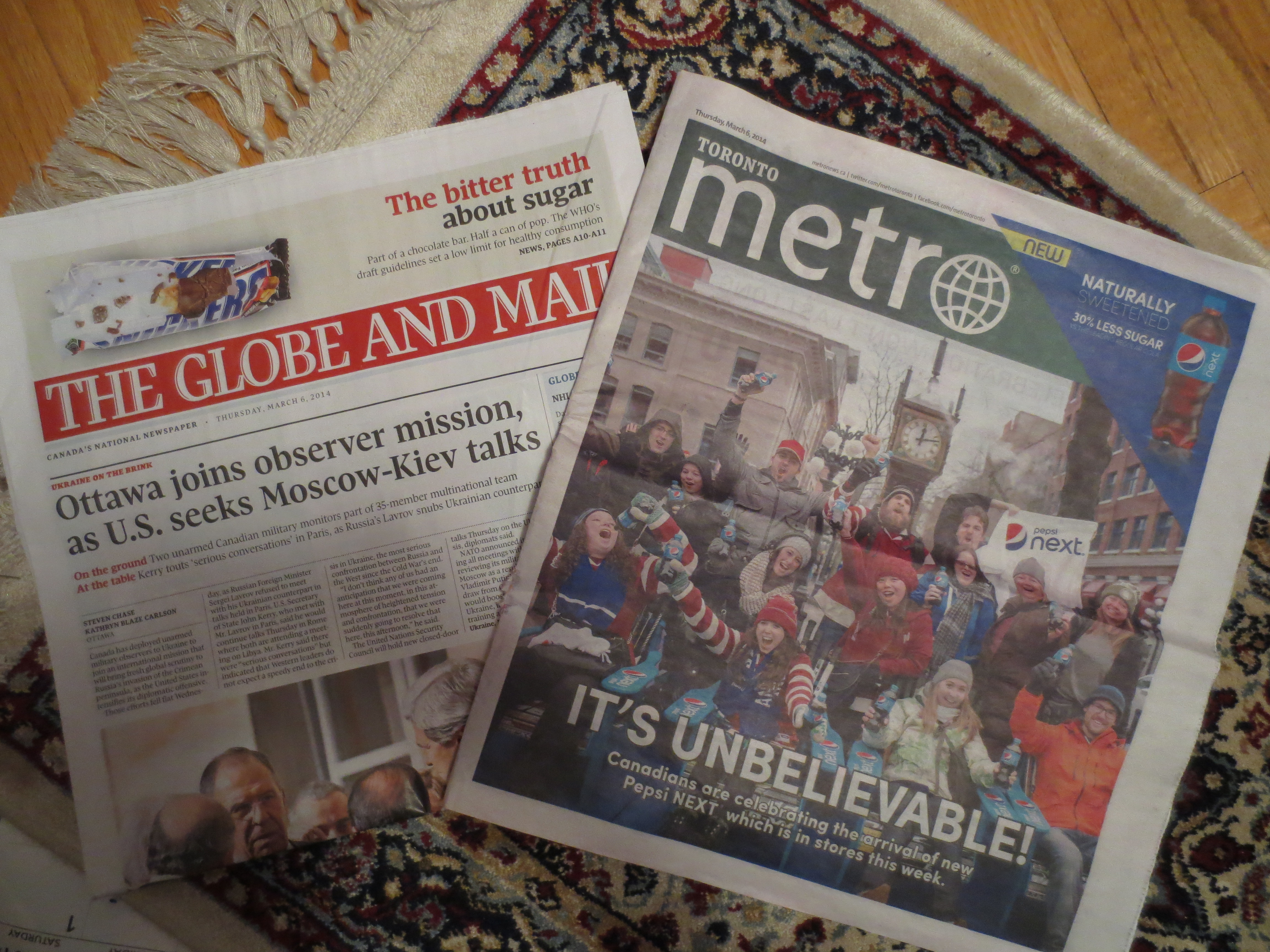 I learned about this fact from: Today’s newspapers!
And today, the WHO recommended that sugar consumption should be limited to less than 5% of total calories. I’ve been looking forward to the day when someone would officially challenge the outrageous recommendation that a quarter of your calories can come from sugar. Luckily, that day is finally here.
Health Canada’s current sugar recommendations can be found here.
I learned about this fact from: Health Canada’s Dietary Reference Intake Tables and http://www.cbc.ca/news/health/lower-sugar-intake-to-less-than-5-of-daily-calories-who-says-1.2560639
For this extra special food fact I decided to do a video blog, I hope you like it…
In case you’re wondering how it works, here’s a cross-section of the cup…
I learned about this fact from: The tour guide at the Greek pottery shop somewhere between Athens and Corinth!
Special thanks to Pete (my brother) for helping me film this.
In case you didn’t know, several major league baseball stadiums offer “all-you-can-eat” tickets that give fans access to a buffet for the duration of the game. Last summer, Ralph Nader, the long-time consumer advocate, wrote a letter to the baseball commissioner criticizing him for offering such a service despite his public pledge to support Michelle Obama’s Let’s Move! campaign.
What I love most about Ralph Nader is not just his advocacy work–in the world of nutrition he’s made strides in outlawing harmful food dyes and improving the quality of processed meats–but most importantly, the important life lesson I learned from him this week. Let me explain…
Almost a year and a half ago, I presented some of my research at a conference. After my presentation a doctor from the audience came up to me, congratulated me on my work, and proceeded to explain how the University could likely get sued because of my work. Nevertheless, he explained that a lawsuit wouldn’t be a bad thing, and that I shouldn’t worry, because a lawsuit will end up being great for my career. Despite his reassurance, I have to admit, I’m concerned about this. As a matter of fact, the threat of such an occurrence is constantly in my mind when I’m making decisions about what to analyze and how to present my data.
So where does Ralph Nader fit into all of this? Well, I found that he had an interesting experience with this sort of thing early in his career. And to my surprise, he managed to take a bad situation and turn it into something great. Here’s what happened:
In 1965, Ralph Nader published a landmark book called “Unsafe at Any Speed” where he exposed the auto industry for its unsafe practices. In response, the industry retaliated by trying to ruin him. They hired private detectives to follow him and even hired prostitutes to try to lure him into a scandal. So what did Nader do? He sued them for invasion of privacy. Not only did he win the case, he used the money to start his first advocacy organization.
In conclusion, I was immensely inspired by this story because it taught me to be a little less worried about the backlash that can result from one’s work, in the end, it will all work out.
I learned about this fact from: http://en.wikipedia.org/wiki/Ralph_Nader
For years I’ve struggled with the artificial sweetener debate. While common sense suggests they’re a bad idea, it’s hard to convince people of their harm when there’s no iron clad evidence illustrating this. (Note: most of the evidence against artificial sweeteners is from animal studies testing unrealistic doses.)
Nevertheless, I’m a firm believer that…
lack of evidence ≠ lack of effect
From my point of view, it’s always just a matter of time before the truth about a questionable compound is uncovered. Artificial sweeteners are a classic example of how evidence for a compound’s potential harm often turns up where you’d least expect it. And in this particular case, the evidence turned up in…the Grand River.
A recent study analyzing water samples from the Grand River in Eastern Ontario showed that the concentration of artificial sweeteners detected in the river were the highest that have ever been reported worldwide. Upon hearing this, I was not at all surprised. Reason being, the hallmark of artificial sweeteners is that our bodies don’t recognize them as food. As a result, we can’t absorb them or derive calories from them. Consequently, they get excreted intact. Hence, it’s only logical that upon exiting the body they eventually end up in our lakes, rivers and streams. If they can’t get broken down, where else would they go?
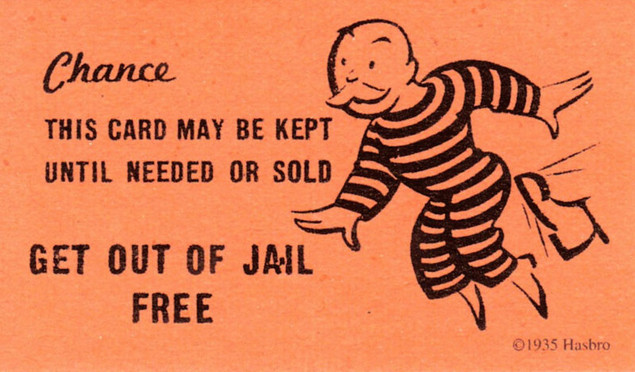
So I guess this shows that there is no “get out of jail free card”. Everything in life has its cost. Therefore, even if artificial sweeteners don’t cost you any calories, their price may be paid by the environment, and future generations whose water may taste…sweet?
I learned about this fact from: Ivan Semeniuk, the guest speaker at Massey College’s Journalism Salon on January 20th 2014.
Joseph Priestly, not to be confused with Jason Priestly, was an 18th century theologian, natural philosopher, chemist, educator and political theorist.Though the discovery of “soda water” had little scientific value, Priestly called it his “happiest discovery”.

So how did the discovery come about? It was largely due to the fact that in 1767 he: 1) got a new job and 2) moved.
For starters, by getting a new job as a minister he had a lot more free time (to experiment and make discoveries) compared to when he was a teacher. But what was more important was the fact that when he moved to his new town, the official minister’s home was not ready. As a result, he stayed at another house which happened to be located beside a brewery.
Due to his scientific curiosity, it wasn’t long before he began conducting experiments in the brewery. He noticed that the vats of fermenting liquid emitted what he called “fixed” or “mephitic” air (what we call carbon dioxide), and he discovered that if he poured water between two cups over top of the vats, the water became suffused with the “fixed air” and acquired a “fizz”. Within days Priestly was discussing this new invention with colleagues and published a pamphlet describing it: Directions for impregnating water with fixed air, in order to communicate to it the peculiar spirit and virtues of Pyrmont water, and other mineral waters of a similar nature.
Here’s a picture of Priestly’s soda water apparatus:
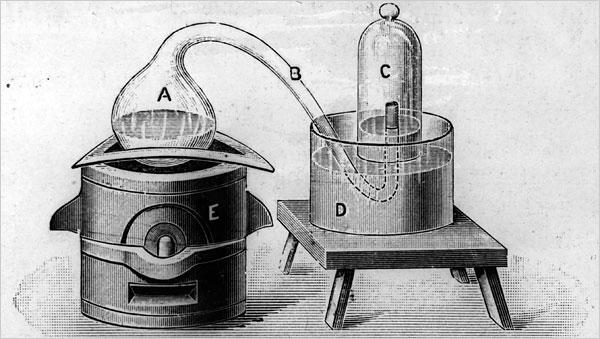
Priestly was a “compulsive sharer” and he believed in the circulation and dissemination of ideas. So instead of protecting his invention and patenting it, he shared it immediately with everyone. Apparently the notion of withholding information for personal gain was unimaginable to someone like Priestly. However, as a result of this “compulsive sharing”, a man by the name of Johann Schweppes would eventually patent a method of carbonating water in 1783 and Priestly would forever be dependent on financial patrons.
I learned about this fact from: Johnson, Steven. The Invention of Air A Story of Science, Faith, Revolution, and the Birth of America. River Head Books, New York: 2008. [By the way, a great read, I highly recommend it]
The more I learn about nutrition, the more and more confused I get when it comes to the recommended daily nutrient intake levels. The fact of the matter is, no one really knows exactly how much calcium, sodium, or iron we actually need on a daily basis. Part of this is due to the fact that we’re all different and the amount of Calcium that I need could be very different from the amount of Calcium that YOU need. Not to mention, the amount of Calcium that I require today may be different from the amount that I will need tomorrow. A large part of this is due to the fact that, beyond obvious factors like age and gender, there are many variables that can influence one’s calcium needs…
All things considered, you can imagine how hard it is to set Calcium recommendations for the entire population. In many ways, it’s an impossible task, any recommendation will only be an estimated average that may or may not be ideally suited to you.
For me, the large difference between the WHO’s recommendation (400-500mg) and the Institute of Medicine’s (IOM) recommendation (1000mg [for adults]) is reassuring. Personally, I’m not a huge fan of dairy products. Though I don’t necessarily advocate for veganism, I definitely think that there are some serious issues with consuming large amounts of milk (largely due to the hormone content). So if you’re like me, you can now rest assured that according to the WHO, approximately a cup and a half of milk (which contains around 500 mg of Calcium) could be enough to prevent you from developing osteoporosis.
I learned about this fact from:
Click to access gsfao_osteo.pdf
http://www.ncbi.nlm.nih.gov/pubmed/15883634
http://www.ctvnews.ca/health/world-s-most-cited-nutritionist-debunks-dieting-myths-1.1657609
It’s all thanks to the Brother’s Grimm who published the story in 1812.
Here’s a picture of me beside a gingerbread house at the Gardiner Museum…

I learned about this fact from: http://easteuropeanfood.about.com/od/crossculturaldesserts/a/gingerhistory.htm
Apparently she presented visiting dignitaries with cookies baked in their own likeness. This is one of my favourite RFFs because, without realizing this, every year I make my colleagues personalized gingerbread men. Though they’re not all created in the likeness of their recipient, some are…because doesn’t everyone want a cookie version of themselves?

I learned about this fact from: http://easteuropeanfood.about.com/od/crossculturaldesserts/a/gingerhistory.htm
It’s likely that gingerbread was firstly created during the 11th century when the crusaders brought spices back from Asia. Apparently, some of the early recipes were like a paste, and thus would be pressed into wooden molds. Interestingly, “gingerbread molds” were often carved to portray the news of day in the form of a storyboard including images of the King, Queen or Emperor. Though historical evidence is lacking, I’d like to think that gingerbread could potentially be considered a form of “news media” or rather “gingerbread media” in an era before the printing press.

A Gingerbread mold of Willem III of the Netherlands (circa 19th century)

A Gingerbread mold of Willem III’s wife
I learned about this fact from: http://easteuropeanfood.about.com/od/crossculturaldesserts/a/gingerhistory.htm
Photo credit: http://www.enotes.com/topics/gingerbread
At the time, gingerbread was commonly eaten in the winter because ginger supposedly “warmed the body” and thus could help restore the balance of the humors (earth, air, water and fire) which physicians at the time believed was the key to health.
There’s a story behind this post…when I first came up with the idea for this blog, my goal was to give my readers facts and anecdotes that will hopefully come to mind when they’re eating, cooking or shopping at the grocery store. Because don’t you just love it when you have a deeper appreciation for something on account of knowing its fascinating history, its biological significance or its connection to various people or places? Today when I was eating a gingerbread cookie, I realized I don’t know anything about the origins of gingerbread! Thus I was compelled to uncover the deeper meaning behind this Christmas tradition. Upon doing so, I’ve discovered a wealth of random gingerbread facts. So stay tuned, there are many more to come!
I learned about this fact from: http://www.enotes.com/topics/gingerbread and http://thecreationofanneboleyn.wordpress.com/2013/12/12/gingerbread-and-tudor-medicine/
Here’s an interesting story explaining one reason why:
Consider bread…when consumed, the carbohydrate it contains eventually becomes glucose in your bloodstream. Your body absorbs the glucose with the help of insulin. Because white bread (as well as white rice, crackers, and other refined grain products) are highly processed and lack fiber, they can cause a spike in blood glucose, which stresses the body, and in the long-term can send you on the road towards diabetes, heart disease and even cancer. The interesting thing is, fat can decrease the size of the glucose spike…which is a good thing. But don’t go buttering your bread with the excuse that it will make the bread healthier, because the type of fat plays a crucial role.
For example, if you add butter to bread, you will experience a smaller spike in glucose (compared to bread sans butter). Even though this sounds like a good thing, there’s a catch…your body will still release a large amount of insulin, despite the smaller glucose spike. This is a problem. Reason being…in the long-term, your body will become insensitive to insulin (because insulin is getting released for no reason, the body simply stops paying attention to it). Insulin insensitivity eventually leads to diabetes and heart disease.
However, on the other hand, if you dip your bread in olive oil, you will get a smaller spike in glucose, alongside an appropriately attenuated amount of insulin. Thus, when fed olive oil, the body somehow adjusts the amount of insulin it releases, something it is unable to do when fed butter.This is just one of the reasons why the “olive oil people” of the Mediterranean tend to experience less heart disease than the “butter people” just North of them (or at least prior to the globalization of the food supply this was the case).
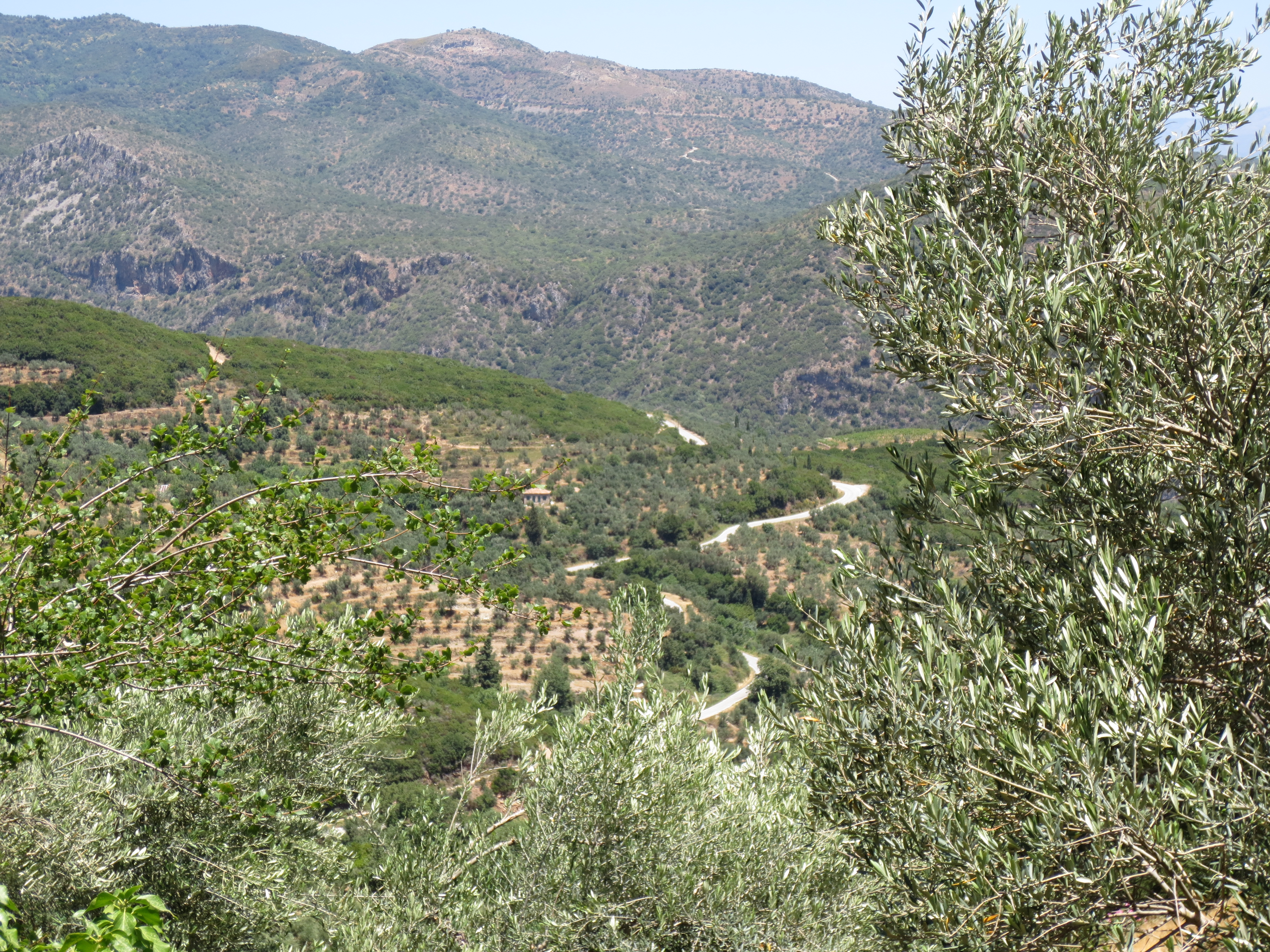
Olive trees near Agios Nikolaus, Greece
I learned about this fact from: Rasmussen et al. Differential effects of saturated and monounsaturated fat on blood glucose and insulin responses in subjects with non-insulin-dependent diabetes mellitus. AJCN, 1996;63:249-253.

 Dr. Mary Sco MD, PhD